Trampoline Buying Guide: A Comprehensive Overview (Updated November 2, 2026)
Trampoline enjoyment comes with inherent risks; injuries, like fractures and sprains, are increasing, demanding strict adherence to safety standards and rules.
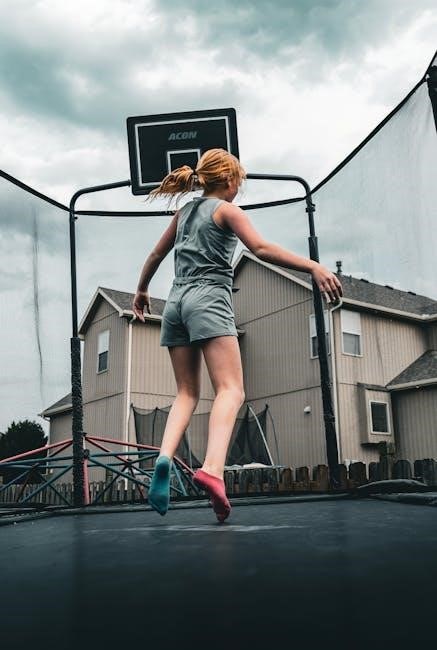
Trampolines offer fantastic fun and fitness benefits, building muscle strength and providing enjoyable exercise for all ages. However, it’s crucial to acknowledge the potential for injuries, which have seen a notable increase – a third rise in falls reported between 2011 and 2012 alone. Recent incidents, including a tragic finger amputation and back injuries sustained during play, underscore the paramount importance of safety.
Despite advancements in trampoline safety features and adherence to Australian Safety Standards and international norms, these aren’t foolproof. Responsible use, guided by established trampoline safety rules, is essential. This guide provides a comprehensive overview, covering types, safety features, maintenance, and accessories, to help you make informed decisions and ensure a safe bouncing experience.
II. Types of Trampolines Available
The trampoline market presents diverse options, each suited to different needs and skill levels. Round trampolines are the most common, offering a classic bouncing experience and generally considered versatile for recreational use. Rectangular trampolines, favored by gymnasts and advanced users, provide a higher, more controlled bounce.
For those seeking a balance between space and safety, octagonal trampolines present a viable alternative. Finally, mini trampolines, also known as rebounders, are compact and ideal for indoor fitness routines. Selecting the appropriate type depends on intended use, available space, and the user’s experience level, always prioritizing safety features regardless of the chosen style.
A. Round Trampolines: Classic and Versatile
Round trampolines remain the most popular choice due to their affordability and widespread availability. Their symmetrical shape naturally directs jumpers towards the center, enhancing safety, particularly for younger or less experienced users. This central bounce point minimizes the risk of falling off the edges.
However, the bounce isn’t as high or controlled as rectangular models. They are excellent for general recreational bouncing and family fun. Ensure a robust safety net enclosure and adequate padding are present. Prioritize models compliant with Australian Safety Standards for peace of mind, remembering that even with safety features, supervision is crucial.
B. Rectangular Trampolines: For Gymnastics and Advanced Users
Rectangular trampolines are the preferred choice for gymnasts, competitive jumpers, and those seeking a higher, more powerful bounce. Their shape allows for a more consistent bounce across a larger surface area, facilitating tricks and advanced maneuvers. However, this also means a greater risk of falling off, demanding heightened awareness and skill.
These trampolines typically require more space and a higher level of supervision. Strict adherence to trampoline safety rules, like “one jumper at a time,” is paramount. Avoid dangerous tricks like somersaults without proper training. Ensure robust padding and a secure safety net enclosure are in place, meeting relevant safety standards.
C. Octagonal Trampolines: A Balance of Space and Safety
Octagonal trampolines offer a compelling compromise between the spacious bounce area of rectangular models and the generally safer design of round trampolines. They provide ample room for jumping while minimizing the likelihood of landing near the edges, a common cause of injuries. However, maintaining trampoline safety remains crucial.
Like all trampoline types, octagonal models require diligent adherence to safety rules – one jumper at a time, removal of obstacles, and appropriate supervision. Regularly inspect padding, spring coverings, and the safety net enclosure for wear and tear. Ensure compliance with Australian Safety Standards for optimal protection.
D. Mini Trampolines (Rebounders): Fitness and Indoor Use
Mini trampolines, often called rebounders, are compact and designed primarily for indoor fitness. They offer a low-impact workout, enhancing muscle strength and cardiovascular health. Due to their smaller size, they generally have lower weight limits and are best suited for individual use.
While generally safer than larger trampolines due to the reduced fall height, trampoline safety still applies. Ensure sufficient clear space around the rebounder and always use it on a level surface. Appropriate clothing and footwear, like trampoline socks, are recommended. Avoid attempting advanced maneuvers, and always prioritize controlled bouncing.
III. Key Safety Features to Consider
Safety is paramount when selecting a trampoline. A robust safety net enclosure is crucial, preventing falls which contribute significantly to trampoline-related injuries. Thoroughly inspect the padding covering springs and the frame; it must adequately protect against impact.
Frame construction and stability are vital – a wobbly frame increases risk. Pay close attention to spring coverings, minimizing pinch points that can cause injuries like finger amputations. Compliance with Australian Safety Standards and international norms demonstrates a manufacturer’s commitment to safety. Remember, no trampoline is entirely “fool-proof,” diligent supervision is essential.
A. Safety Net Enclosure: Preventing Falls
The safety net enclosure is arguably the most critical feature for fall prevention. A securely attached, high-quality net dramatically reduces the risk of jumpers landing on the hard ground. Ensure the net’s height is sufficient, providing ample clearance above the jumping surface.
Look for nets constructed from durable, UV-resistant materials to withstand outdoor conditions. Regularly inspect the net for tears or damage, promptly repairing or replacing it as needed. The enclosure’s poles should be adequately padded for additional protection. Remember, even with a net, constant supervision remains essential to enforce trampoline safety rules.
B; Padding: Protecting Springs and Frame
Adequate padding is crucial for minimizing injuries from contact with the trampoline’s springs and frame. High-density foam padding should completely cover these areas, eliminating potential pinch points and impact zones. The current trampoline safety standard mandates padding or protection to prevent contact with springs.
Inspect padding regularly for wear and tear, ensuring it remains securely attached. Replace damaged or deteriorated padding immediately. Beyond spring and frame coverage, consider additional padding for poles, especially if the enclosure design places them within jumping reach. Prioritizing comprehensive padding significantly enhances overall trampoline safety.
C. Frame Construction and Stability
A robust and stable frame is the foundation of a safe trampoline. Look for frames constructed from heavy-gauge, galvanized steel, resistant to rust and corrosion. The frame’s design should distribute weight evenly, preventing wobbling or tipping during use. Welded joints are preferable to bolted connections, offering greater structural integrity.
Consider the number of legs; more legs generally enhance stability, particularly for larger trampolines. Regularly inspect the frame for any signs of bending, cracking, or corrosion. A stable frame minimizes the risk of falls and ensures a secure jumping experience. Prioritize quality construction for long-lasting safety;
D. Spring Coverings: Minimizing Pinch Points
Trampoline springs, while essential for bounce, present a significant pinch point hazard. Adequate spring coverings are crucial for safety, preventing fingers and toes from getting caught. Look for thick, durable padding that completely covers the springs, ideally overlapping the frame.
The covering material should be UV-resistant to withstand sun exposure and maintain its integrity. Regularly inspect the spring coverings for tears, wear, or displacement. Replace damaged coverings immediately. Proper spring protection significantly reduces the risk of painful and potentially serious injuries, especially for young jumpers. Prioritize complete coverage and regular maintenance.
IV. Understanding Trampoline Sizes and Weight Limits
Trampoline size directly impacts user safety and enjoyment. Consider your yard space and the age/number of potential jumpers. Larger trampolines accommodate multiple users (though one at a time is crucial!) and offer more room for maneuvers. However, they require more space and a higher safety perimeter.
Weight capacity is paramount. Exceeding the limit compromises the trampoline’s structural integrity, increasing injury risk. Check the manufacturer’s specifications carefully. A trampoline suitable for younger children will have a lower weight limit than one designed for teens and adults. Always prioritize a trampoline that comfortably accommodates the heaviest anticipated user.
A. Choosing the Right Size for Your Yard and Users
Selecting the appropriate trampoline size requires careful consideration of both available yard space and intended users. Measure your yard, allowing ample clear space around the trampoline – a minimum of 2 meters is recommended. Account for overhead clearance, avoiding trees or power lines.
For young children, a smaller trampoline (8-10ft) is often sufficient. Growing families or those anticipating older jumpers should opt for larger sizes (12-16ft). Remember, larger trampolines demand more safety padding and a wider safety net enclosure. Prioritize space for safe jumping and landing, minimizing the risk of collisions.
B. Weight Capacity: Ensuring Safe Use
Understanding a trampoline’s weight capacity is crucial for preventing damage and, more importantly, ensuring user safety. Exceeding the stated limit compromises the trampoline’s structural integrity, increasing the risk of springs breaking or the frame bending. Always check the manufacturer’s specifications before use.
Consider the combined weight of all potential jumpers. It’s better to underestimate than overestimate. Regularly inspect the trampoline for signs of wear and tear, particularly the springs and frame, as these can weaken over time, reducing the effective weight capacity. Prioritize safety by adhering strictly to the weight limits.
V. Trampoline Safety Standards and Regulations
Prioritizing safety, reputable trampoline manufacturers adhere to stringent safety standards. Compliance with Australian Safety Standards is paramount, and a commitment to meeting international safety norms demonstrates a dedication to user well-being. These standards dictate requirements for padding, enclosure nets, and overall structural integrity.
Current trampoline safety standards focus on minimizing contact with springs and the frame, reducing pinch points and fall risks. Regularly check for certifications and ensure the trampoline meets or exceeds these regulations. Understanding these standards empowers consumers to make informed decisions and select safer products for their families.
A. Australian Safety Standards Compliance
Australian trampoline safety standards are crucial for minimizing injury risks. Manufacturers must demonstrate adherence to these regulations, ensuring products undergo rigorous testing for structural integrity, net enclosure effectiveness, and padding adequacy. Compliance signifies a commitment to protecting users from potential hazards like falls and impacts with the frame or springs.
Look for trampolines explicitly stating compliance with the relevant Australian standards. This verification provides assurance that the product has been evaluated and meets established safety benchmarks. Prioritizing compliant trampolines is a vital step in creating a safer jumping experience for children and adults alike, reducing the likelihood of accidents.
B. International Safety Norms Adherence
Beyond Australian standards, reputable trampoline manufacturers also strive to meet broader international safety norms. This commitment demonstrates a dedication to quality and user protection, exceeding minimum requirements. Adherence to these norms often involves stringent testing procedures and quality control measures throughout the production process.
Seeking trampolines that align with globally recognized safety standards provides an extra layer of assurance. While specific regulations may vary by region, a manufacturer’s willingness to comply with multiple standards indicates a proactive approach to safety. This diligence minimizes risks and contributes to a more secure and enjoyable trampoline experience for all users, regardless of location.
VI. Essential Trampoline Safety Rules
Prioritizing safety necessitates strict adherence to fundamental trampoline rules. The most crucial is the “one jumper at a time” rule, as multiple users dramatically increase the risk of collisions and injuries. Before each use, meticulously remove all obstacles and sharp objects from pockets to prevent accidental cuts or punctures.
Age restrictions are vital; young children under six lack the necessary coordination and control. Constant adult supervision is non-negotiable, ensuring rules are followed and immediate assistance is available. Enforce the use of trampoline socks for enhanced grip and minimize the potential for slips. These simple rules significantly reduce the likelihood of accidents.
A. One Jumper at a Time Rule
The “one jumper at a time” rule is paramount for trampoline safety, consistently highlighted as the most critical preventative measure. Allowing multiple users simultaneously drastically elevates the risk of collisions, resulting in serious injuries like fractures, sprains, and even more severe trauma. The dynamic nature of bouncing makes predicting movements incredibly difficult, increasing the chance of accidental contact.
This rule isn’t merely a suggestion; it’s a fundamental safety protocol. Even seemingly harmless games can quickly become dangerous with multiple participants. Strict enforcement, coupled with consistent supervision, is essential to protect users from preventable harm. Prioritizing this single rule significantly minimizes potential risks.
B. Removing Obstacles and Sharp Objects
Before each trampoline session, a thorough inspection of the surrounding area and the jumper’s person is absolutely crucial. All obstacles, including toys, furniture, and landscaping features, must be moved away from the trampoline’s perimeter to prevent collisions during use. Equally important is the removal of any sharp objects from the jumper’s pockets or clothing.
Keys, coins, jewelry, and even pens can pose a significant hazard, potentially causing cuts or punctures if a fall occurs. Enforcing a “no pockets” rule and ensuring users are not wearing anything with sharp edges dramatically reduces the risk of injury. A clear, unobstructed jumping surface is fundamental to safe trampoline enjoyment.
C. Age Restrictions and Supervision
Establishing clear age restrictions is paramount for trampoline safety. Younger children, specifically those under six years old, often lack the necessary coordination and physical development to safely control their movements on a trampoline, increasing their risk of injury. Constant, active supervision by a responsible adult is non-negotiable, even for older, more experienced jumpers.
Supervision isn’t simply about being present; it requires focused attention to ensure jumpers are following safety rules, avoiding dangerous stunts, and respecting weight limits. Adult oversight can quickly address unsafe behavior and prevent accidents before they occur, safeguarding children’s well-being.
VII. Preventing Trampoline Injuries
Minimizing trampoline injuries requires a multi-faceted approach, starting with recognizing common occurrences like falls, fractures, and sprains. Discouraging dangerous tricks, such as somersaults and double bouncing, is crucial, as these significantly elevate the risk of severe harm. Proper attire plays a vital role; trampoline socks enhance grip and reduce the chance of slipping, while appropriate clothing avoids entanglement hazards.
Enforcing strict adherence to safety rules, like the “one jumper at a time” policy, is non-negotiable. Regular inspections for wear and tear, combined with diligent supervision, further contribute to a safer jumping experience, protecting users from potential harm;
A. Common Trampoline Injuries (Falls, Fractures, Sprains)
Trampoline-related injuries are unfortunately on the rise, with falls being the most frequently reported incident. These falls often result in fractures, particularly to the arms and legs, and sprains, affecting ankles and wrists. A concerning case involved a five-year-old boy suffering a finger amputation after it became trapped within the trampoline structure. Another incident saw a ten-year-old girl injure her back during a game.

Westmead Childrens Hospital data reveals a 33% increase in trampoline falls between 2011 and 2012, highlighting a clear trend. Vigilance and preventative measures are therefore paramount to mitigate these risks and ensure user safety.
B. Avoiding Dangerous Tricks (Somersaults, Double Bouncing)
Certain trampoline maneuvers significantly elevate the risk of injury and should be strictly avoided. Somersaults, in particular, are strongly discouraged due to the potential for landing awkwardly and sustaining head or neck injuries. Similarly, double bouncing – where two or more jumpers coordinate to increase height – dramatically increases the chance of collisions and loss of control.
Trampoline parks and safety guidelines consistently advise against these practices. Proper instruction and supervision are crucial, but eliminating these high-risk tricks remains the most effective preventative measure. Adhering to safe jumping practices is essential for minimizing potential harm.
C. Proper Clothing and Footwear (Trampoline Socks)
Appropriate attire plays a vital role in trampoline safety. Loose clothing, such as baggy pants or dresses, can become entangled in the springs or frame, creating a hazardous situation. Sharp objects, including jewelry, keys, or anything in pockets, must be removed before jumping to prevent cuts or punctures.
Trampoline socks are highly recommended, and often required, as they provide enhanced grip and reduce the risk of slipping. Bare feet or regular socks offer insufficient traction. Wearing appropriate footwear contributes significantly to maintaining control and minimizing the likelihood of falls and subsequent injuries during use.
VIII. Trampoline Accessories and Add-ons
Enhance your trampoline experience and safety with useful accessories. Trampoline ladders provide a secure and convenient way to access the jumping surface, eliminating the need for potentially dangerous climbing. Roller stands offer portability, allowing you to easily move the trampoline within your yard or store it away during inclement weather.
Protect your investment with a durable weather cover, shielding the jumping mat and springs from the elements and extending the trampoline’s lifespan. Some facilities also require wristbands for access and enforce rules like no somersaults, emphasizing a commitment to user safety and responsible enjoyment.
A. Trampoline Ladders: Safe Access
Trampoline ladders are a crucial accessory for ensuring safe entry and exit, particularly for younger jumpers. They eliminate the risky practice of climbing onto the trampoline frame, which can lead to falls and injuries. Regulations often stipulate that a trampoline ladder should not be included within the original packaging, emphasizing separate purchase and mindful consideration.
Look for ladders specifically designed for your trampoline’s height and weight capacity, featuring sturdy construction and non-slip steps. Proper ladder placement is also vital – ensure it’s stable and positioned to allow easy, controlled access to the jumping surface, promoting a safer overall experience.
B. Roller Stands: Portability and Convenience
Roller stands offer a fantastic solution for those desiring trampoline portability and convenient storage. These stands attach to the trampoline frame, allowing you to easily move it around your yard – ideal for avoiding sun exposure or protecting it from inclement weather. They transform a traditionally stationary item into a mobile recreational feature.

When selecting roller stands, prioritize robust construction and compatibility with your specific trampoline model. Ensure the wheels are durable and lockable for added stability when the trampoline is in use. This feature enhances both usability and safety, making the trampoline more adaptable to your lifestyle.
C. Weather Covers: Protecting Your Investment
Weather covers are crucial for prolonging the life of your trampoline and safeguarding your investment. Prolonged exposure to the elements – sun, rain, snow, and wind – can significantly degrade the jumping mat, springs, and frame, leading to costly repairs or replacements. A quality cover shields against UV damage, prevents water accumulation, and minimizes wear and tear.
Look for covers made from durable, waterproof materials with secure attachment straps to withstand strong winds. Proper coverage prevents rust, mildew, and fading, ensuring your trampoline remains safe and enjoyable for years to come. Regularly inspecting and maintaining the cover itself is also essential for optimal protection.
IX. Trampoline Maintenance and Care
Regular inspections are paramount for trampoline safety and longevity. Thoroughly check the frame, springs, safety net, and padding for any signs of wear and tear – rust, tears, or loose connections. Address issues promptly to prevent accidents. Cleaning the jumping mat regularly removes dirt and debris, maintaining optimal bounce and hygiene.

During colder months, consider disassembling and storing the trampoline indoors to protect it from harsh weather. If outdoor storage is unavoidable, a durable weather cover is essential. Proper storage extends the trampoline’s lifespan and ensures it’s ready for fun when the weather improves.
A. Regular Inspections for Wear and Tear
Consistent inspections are crucial; a proactive approach minimizes risks associated with trampoline use. Carefully examine the frame for bends, breaks, or rust, paying close attention to weld points. Inspect springs individually, looking for stretching, corrosion, or detachment. The safety net should be free of tears and securely attached.

Padding covering springs and the frame must be intact, preventing contact injuries. Check all connections – bolts, clips, and straps – ensuring they are tight and secure. Early detection of wear and tear allows for timely repairs or replacements, safeguarding against potential accidents and extending the trampoline’s life.
B. Cleaning and Storage Tips
Regular cleaning extends your trampoline’s lifespan. Use mild soap and water to wipe down the frame, mat, and safety padding, avoiding harsh chemicals. Remove debris like leaves and twigs promptly. For longer-term storage, especially during harsh weather, disassembly is recommended.

Carefully detach the safety net and store it indoors. The mat can be cleaned and covered, while the frame should be protected from the elements. Securely store all parts in a dry location to prevent rust and deterioration. A weather cover offers convenient protection if full disassembly isn’t feasible.