The Very Hungry Caterpillar PDF Book: A Comprehensive Guide
This guide delves into accessing Eric Carle’s beloved tale in PDF format, exploring legal download options like Internet Archive and Christianbook.com.
Eric Carle’s The Very Hungry Caterpillar, published in 1969, remains a cornerstone of children’s literature, captivating generations with its simple yet profound narrative. This iconic picture book isn’t merely a story; it’s an immersive experience, celebrated for its vibrant, die-cut pages and engaging depiction of a caterpillar’s transformation.
The book’s enduring appeal stems from its ability to blend entertainment with early learning concepts. Beyond the charming illustrations, it subtly introduces counting, days of the week, and the life cycle of a butterfly. The availability of a PDF version allows wider access to this educational treasure, making it convenient for parents, educators, and children alike to enjoy this classic tale anytime, anywhere.
What is “The Very Hungry Caterpillar” About?
The Very Hungry Caterpillar narrates the journey of a tiny caterpillar emerging from an egg. Driven by insatiable hunger, the caterpillar embarks on a week-long eating spree, consuming an astonishing variety of foods – from one apple on Sunday to five oranges on Friday!
Each day introduces new quantities and food types, subtly reinforcing counting skills. The story culminates in the caterpillar’s transformation into a beautiful butterfly after building a cocoon. The PDF version faithfully reproduces this narrative, allowing readers to follow the caterpillar’s progress. It’s a tale of growth, patience, and the wonder of metamorphosis, presented in a visually captivating and accessible manner for young children.
Availability of the PDF Version
The PDF version of The Very Hungry Caterpillar is readily accessible through various online platforms, catering to diverse reading preferences. While purchasing a physical copy remains popular, the digital format offers convenience and portability. Several websites provide legal access to the PDF, ensuring copyright compliance.
Where to Download the PDF Legally
Securing a legal PDF copy of The Very Hungry Caterpillar is crucial to support Eric Carle’s work and respect copyright laws. Several reputable sources offer authorized downloads. Internet Archive provides access, often with borrowing options, while Christianbook.com sells the PDF alongside literature kits aligned with Common Core standards.
Internet Archive Access
The Internet Archive offers a valuable resource for accessing The Very Hungry Caterpillar in PDF format, enabling free download, borrowing, and streaming. This digital library preserves cultural artifacts, including children’s literature. The entry details die-cut pages and mentions accompanying materials like 22 cloth storytelling pieces – an apple, pears, plums, strawberries, oranges, and more – alongside an activity guide.
Users can explore the book online or download it for offline reading. The archive’s record includes unique identifiers like urn:lcp:veryhungrycaterp00carl:epub:d7692d0c-92bb-41a0-b774-5946ee2e1111, ensuring proper attribution and access control.
Christianbook.com Resources
Christianbook.com provides a Literature Kit for The Very Hungry Caterpillar, specifically designed for Grades 1-2, available as a PDF download. This kit, authored by Marie-Hellen Goyetche (9781553198529), is meticulously aligned with Common Core State Standards, enhancing its educational value.
It’s crucial to note that the Christianbook.com resource is a study guide and does not include the original book by Eric Carle; purchasers must obtain the book separately. The kit offers comprehensive activities and resources to deepen understanding and engagement with the story, making it a valuable tool for educators and parents.
Key Characters and Their Significance
The Very Hungry Caterpillar himself embodies growth, change, and the satisfaction of needs. Starting as a small, persistent larva, he symbolizes childhood development and the journey towards transformation. The egg represents potential and new beginnings, delicately placed on a leaf – a source of initial sustenance.
As the caterpillar evolves, the cocoon signifies a period of quiet introspection and preparation. Finally, the magnificent butterfly emerges, representing complete metamorphosis and the beauty of adulthood. These characters, simple yet profound, drive the narrative and deliver a powerful message about life’s cycles.
The Caterpillar’s Diet: A Day-by-Day Breakdown
Monday: one apple. Tuesday: two pears. Wednesday: three plums. Thursday: four strawberries. Friday: five oranges. This escalating pattern vividly demonstrates increasing consumption and introduces early counting skills. Saturday brings a chaotic feast – one piece of chocolate cake, one ice cream cone, one pickle, one slice of Swiss cheese, one salami, one lollipop, one cherry pie, one sausage, one cupcake, and one watermelon!
This indulgent spree highlights the caterpillar’s insatiable hunger. Ultimately, this leads to a stomachache, teaching a gentle lesson about moderation. The detailed list of foods is central to the story’s charm and educational value.
Educational Value of the Book
“The Very Hungry Caterpillar” is a cornerstone of early childhood education. It seamlessly integrates fundamental learning concepts. The book fosters early learning through its simple narrative and vibrant illustrations, captivating young minds. It excels in counting and number recognition, with each day showcasing an increasing quantity of food.
Furthermore, the story reinforces days of the week sequencing, building a foundational understanding of time. The narrative aligns with Common Core State Standards, making it a valuable resource for educators. Literature kits, designed for Grades 1-2, enhance comprehension and critical thinking skills, solidifying its educational impact.
Early Learning Concepts
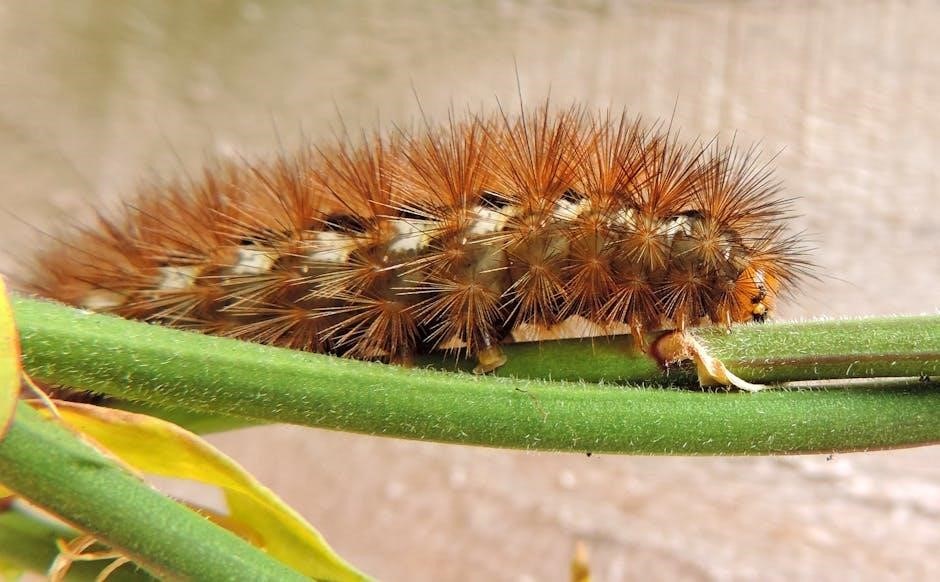
“The Very Hungry Caterpillar” brilliantly introduces early learning concepts to young children. The book’s core revolves around a simple, relatable theme: growth and transformation. It visually demonstrates the life cycle of a butterfly, sparking curiosity about nature. The repetitive structure aids in memory and comprehension, crucial for developing literacy skills.
The story’s focus on food introduces vocabulary related to fruits and other edibles. Its bright, die-cut pages enhance sensory engagement, making learning interactive and fun. The narrative encourages observation and prediction, fostering cognitive development. It’s a foundational text for pre-reading skills and a delightful introduction to the world of books.
Counting and Number Recognition
“The Very Hungry Caterpillar” is a fantastic tool for teaching counting and number recognition. Each day of the week features the caterpillar consuming an increasing number of fruits. This progressive sequence – one apple, two pears, three plums, and so on – provides a visual and engaging way for children to learn numerical order.
The book reinforces the association between quantity and numeral representation. The clear illustrations and repetitive phrasing aid memorization. It’s an excellent resource for introducing basic math concepts in a playful context. Cloth storytelling pieces included in some editions further enhance this learning experience, allowing for hands-on counting activities.
Days of the Week Sequencing
“The Very Hungry Caterpillar” brilliantly introduces and reinforces the days of the week in a sequential manner. The narrative unfolds day by day, starting with Sunday and progressing through Saturday, clearly labeling each day as the caterpillar embarks on his eating spree.
This structure helps children understand the order of the week and build a foundational understanding of time concepts. The repetitive pattern of “On Monday, he ate through…” creates a predictable rhythm that aids memorization.
Using the PDF version allows for repeated readings, solidifying this sequencing skill. It’s a simple yet effective method for early literacy and chronological understanding.
“The Very Hungry Caterpillar” and Common Core Standards
“The Very Hungry Caterpillar” aligns seamlessly with several Common Core State Standards, particularly in early elementary grades. Literature kits, like those available from Christianbook.com, are specifically designed to meet these standards.
The book supports standards related to reading literature, focusing on key details, character development (the caterpillar’s transformation), and understanding story structure. It also reinforces mathematical standards through counting and number recognition.
Furthermore, the sequential nature of the story aids in understanding time and sequencing, crucial skills outlined in the Common Core. Utilizing the PDF version alongside a standards-aligned kit enhances the educational impact.
Literature Kit Resources and Grade Levels
Literature kits for “The Very Hungry Caterpillar” are readily available to supplement the book’s educational value, particularly the Grade 1-2 kit from Christianbook.com. These resources provide comprehensive activities and lesson plans.
These kits often include comprehension questions, vocabulary exercises, and creative writing prompts, all designed to deepen understanding of the story. They are aligned with Common Core State Standards, making integration into existing curricula seamless.
The kits typically cater to Kindergarten through 2nd grade, though adaptable activities can benefit students in grades 3-4. Utilizing the PDF version alongside a kit maximizes learning potential.
Grade 1-2 Literature Kit Details
Marie-Hellen Goyetche authored the Grade 1-2 Literature Kit, available as a PDF download from Christianbook.com (ISBN: 9781553198529). This kit is specifically designed to enhance comprehension and engagement with Eric Carle’s classic.
It focuses on key literary elements like character development, plot, and setting, offering a structured approach to analysis. Activities include vocabulary building, reading comprehension quizzes, and creative response prompts.
Note: the kit requires a copy of “The Very Hungry Caterpillar” book itself, which is sold separately. The PDF provides the supplemental educational materials to enrich the reading experience.
Accelerated Reader Information
“The Very Hungry Caterpillar” is recognized within the Accelerated Reader (AR) program, making it a valuable resource for classroom reading initiatives. The book is suitable for students in Grades K-4, offering a range of reading levels to accommodate diverse learners.
Specifically, the AR point value is 2.9, and the book’s reading level is indicated as appropriate for those grades. This information assists teachers and librarians in selecting texts that align with students’ individual reading abilities.
The AR system tracks reading progress and comprehension, fostering a love of reading and promoting literacy skills.
Materials Included with Some Versions
Certain editions of “The Very Hungry Caterpillar” enhance the reading experience with supplementary materials designed for interactive storytelling and learning. Notably, some versions include 22 cloth storytelling pieces. These tactile elements represent the foods the caterpillar consumes – an apple, pears, plums, strawberries, oranges, and a diverse food assortment.
Additional components often feature a leaf, an egg, the caterpillar itself in varying sizes (tiny and fat), a cocoon, and a beautiful butterfly. Activity guide cards are also frequently bundled, providing educators and parents with ideas for engaging activities.
Velcro-receptive surfaces are needed to utilize the cloth pieces effectively.
Cloth Storytelling Pieces
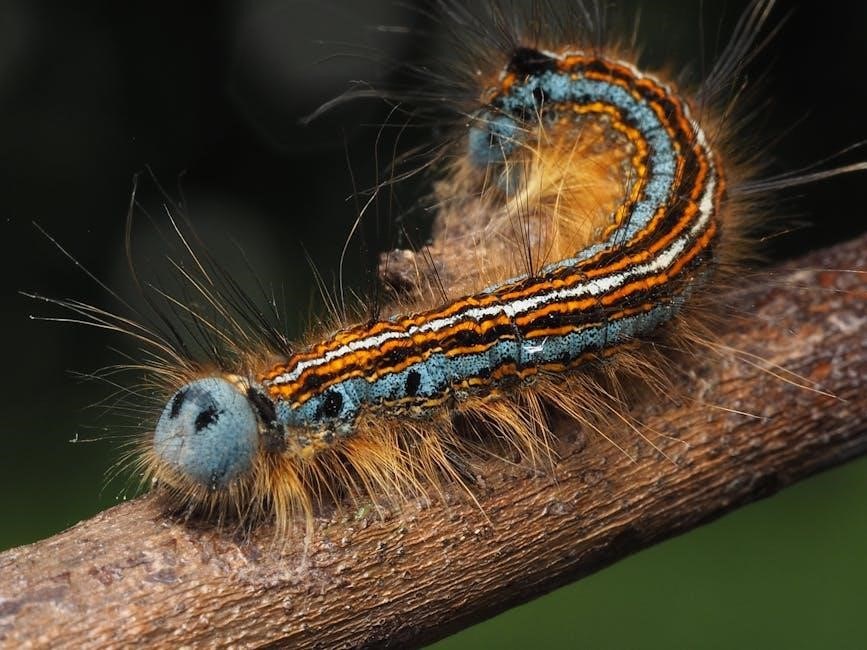
The cloth storytelling pieces included with select editions of “The Very Hungry Caterpillar” are a delightful addition, fostering tactile learning and imaginative play. This set comprises 22 individual pieces, each representing an item from the caterpillar’s voracious eating journey.
Children can physically manipulate the felt pieces – apples, pears, plums, strawberries, and oranges – mirroring the caterpillar’s consumption. The set also includes representations of the egg, caterpillar (in both small and plump forms), cocoon, and the resulting butterfly.
These pieces encourage retelling the story and reinforce counting skills, making learning interactive and fun.
Activity Guide Cards
Activity guide cards, often bundled with the cloth storytelling pieces, enhance the educational experience of “The Very Hungry Caterpillar.” These cards provide structured activities designed to reinforce key concepts from the book, catering to various learning styles.
The cards offer suggestions for games, crafts, and discussions centered around the caterpillar’s journey. They might include prompts for sequencing the story, identifying the foods eaten, or creating artwork inspired by Eric Carle’s illustrations.
These resources are invaluable for parents and educators seeking to extend the book’s learning potential beyond simply reading the story.
The Story’s Progression: From Egg to Butterfly
“The Very Hungry Caterpillar” beautifully illustrates a complete life cycle. The narrative begins with a tiny egg resting on a leaf, anticipating the arrival of a new life. A small caterpillar emerges, immediately driven by intense hunger, and begins its eating spree.
The story meticulously tracks the caterpillar’s growth as it consumes increasing quantities of food each day. This culminates in a satisfying, albeit temporary, fullness, leading to the construction of a cocoon.
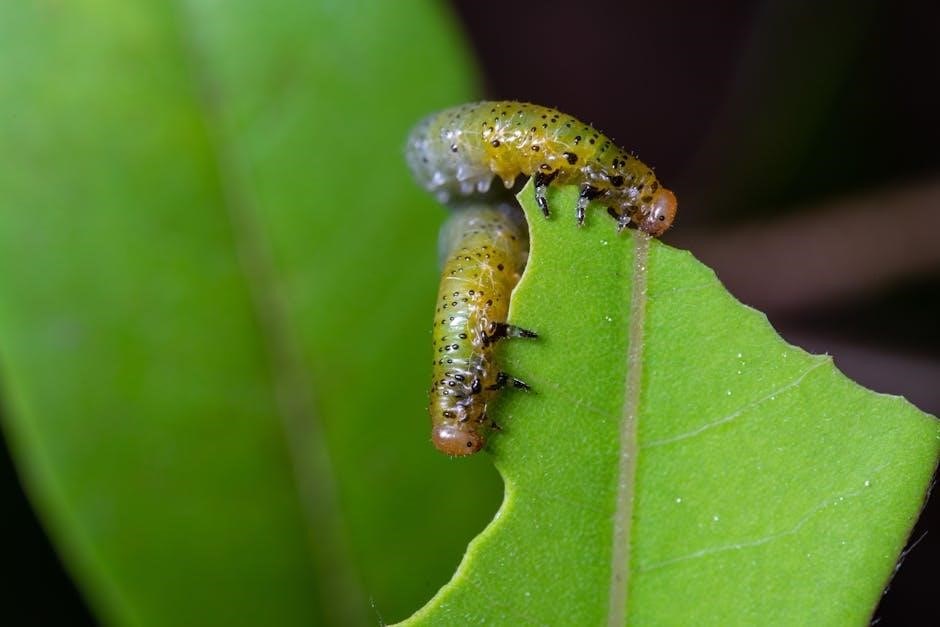
Finally, after a period of transformation, a magnificent butterfly emerges, completing the cycle and showcasing the wonder of metamorphosis.
Die-Cut Pages and Visual Appeal
Eric Carle’s masterful use of die-cut pages is a defining characteristic of “The Very Hungry Caterpillar.” These holes visually represent the caterpillar’s progress through the various foods, creating an interactive and engaging experience for young readers.
Each bite is literally “taken” from the page, allowing children to physically see and understand the caterpillar’s consumption. This tactile element enhances comprehension and makes the story more memorable.
The vibrant, collage-style illustrations, created with hand-painted tissue paper, further contribute to the book’s striking visual appeal, captivating children and fostering a love for reading.
Themes Explored in the Book
“The Very Hungry Caterpillar” beautifully explores universal themes of growth and transformation, mirroring the life cycle of a butterfly. The caterpillar’s journey from a tiny egg to a magnificent winged creature symbolizes personal development and change.
The story also subtly introduces the concept of patience and anticipation. The caterpillar’s relentless eating is followed by a period of enclosure in a cocoon, teaching children about waiting for positive outcomes.
Furthermore, the book touches upon healthy eating habits, albeit in a fantastical way, and the natural order of days within a week, enriching its educational value beyond simple entertainment.
Growth and Transformation
Central to the narrative is the profound theme of growth and transformation, vividly depicted through the caterpillar’s metamorphosis. Beginning as a small egg, the caterpillar undergoes a remarkable physical change, consuming vast quantities of food to fuel its development.
This process isn’t merely physical; it represents broader life lessons about change and adaptation. The caterpillar’s eventual enclosure in a cocoon symbolizes a period of introspection and preparation for a new stage of existence.
Ultimately, the emergence of the butterfly embodies the beauty and potential that lie within transformation, offering a powerful message of hope and renewal to young readers.
Patience and Anticipation

The story subtly cultivates patience and anticipation in young audiences. The caterpillar’s journey isn’t instantaneous; it unfolds gradually, day by day, mirroring the natural rhythms of growth and change.
Each page turn builds anticipation as readers eagerly await what the caterpillar will consume next, fostering a sense of excitement and engagement. The deliberate pacing encourages children to appreciate the process of development rather than solely focusing on the end result.
Furthermore, the cocoon stage exemplifies patience, as the caterpillar remains hidden for a period before its stunning transformation into a butterfly, teaching valuable lessons about waiting and trusting the process.
Interactive Activities Based on the Book
Numerous interactive activities extend the learning beyond the page, enhancing engagement with “The Very Hungry Caterpillar.” Utilizing the included 22 cloth storytelling pieces – apples, pears, plums, and more – children can retell the story, reinforcing sequencing and vocabulary.
Activity guide cards provide structured prompts for creative play, encouraging children to recreate the caterpillar’s diet or design their own butterfly wings. Educators can implement counting exercises based on the fruits consumed each day, solidifying number recognition skills.
Additionally, crafting a life cycle display or acting out the transformation from egg to butterfly fosters a deeper understanding of metamorphosis and scientific concepts.
The Author: Eric Carle and His Style
Eric Carle, a celebrated children’s author and illustrator, is renowned for his distinctive collage technique. He brought a vibrant and unique aesthetic to children’s literature, captivating generations with his colorful and imaginative worlds. “The Very Hungry Caterpillar” exemplifies his signature style – bold, hand-painted illustrations created by layering tissue paper.
Carle’s approach wasn’t simply about aesthetics; it was about accessibility. The simple, yet striking visuals, combined with the die-cut pages, actively engage young readers. His work consistently focuses on themes of nature, growth, and learning, making complex concepts approachable for little ones.
His dedication to art and education cemented his legacy as a literary icon.
Different Editions and Formats Available
The PDF version provides convenient digital access, ideal for reading on tablets or computers. Internet Archive and other platforms host digital copies. These varied formats cater to different learning styles and preferences, ensuring the story remains accessible to all.
Collectors also seek out unique printings!
Criticism and Reception of the Book
“The Very Hungry Caterpillar” has overwhelmingly positive reception, becoming a cornerstone of children’s literature. However, some critique the caterpillar’s excessive eating as promoting unhealthy habits. Others note the story simplifies the metamorphosis process, potentially offering an incomplete scientific understanding.
Despite these points, the book’s enduring popularity stems from its engaging narrative, vibrant illustrations, and educational value. The PDF version allows wider access, fostering literacy. Accelerated Reader programs utilize the book, indicating its suitability for guided reading.
Ultimately, the book’s strengths far outweigh minor criticisms, solidifying its place in childhood memories.
Impact on Children’s Literature
“The Very Hungry Caterpillar” profoundly impacted children’s literature, popularizing the use of die-cut pages and simple, bold illustrations. Eric Carle’s unique style influenced countless authors and illustrators, emphasizing visual storytelling. The book’s success demonstrated the market for educational and engaging picture books.

The widespread availability of the PDF version further extends its reach, introducing new generations to the story. Its inclusion in literature kits (Grades 1-2) and Accelerated Reader programs highlights its pedagogical value.
The book’s lasting legacy lies in its ability to spark imagination and foster a love of reading.